


Understanding Permitted Development Rules in the UK: A Guide to UK Development Guidelines

When planning to extend your home or make changes to your property, understanding the rules that govern what you can and cannot do is essential. In the UK, these rules are known as permitted development rights. They allow homeowners to carry out certain types of work without needing to apply for full planning permission. This can save time, money, and stress. However, the rules can be complex, and knowing exactly what is allowed under the permitted development rules is crucial to avoid costly mistakes.
In this post, we'll walk you through the key points of UK development guidelines, focusing on what you need to know to make your home improvements smoothly and confidently.
Navigating UK Development Guidelines: What You Need to Know
UK development guidelines are designed to balance homeowners’ needs with the wider community’s interests. These guidelines set out what types of work you can do without needing planning permission. For example, you might want to add a single-storey extension, build a garden shed, or convert your loft. Many of these projects fall under permitted development rights, but there are limits.
Here are some important things to keep in mind:
Size limits: Extensions and outbuildings must not exceed certain dimensions.
Height restrictions: There are maximum heights for extensions and structures.
Location rules: Some areas, like conservation areas, have stricter controls.
Neighbour considerations: You must not block your neighbour’s light or cause other issues.
By following these guidelines, you can often avoid the lengthy planning permission process. But if your project is large or in a sensitive area, you might still need to apply.
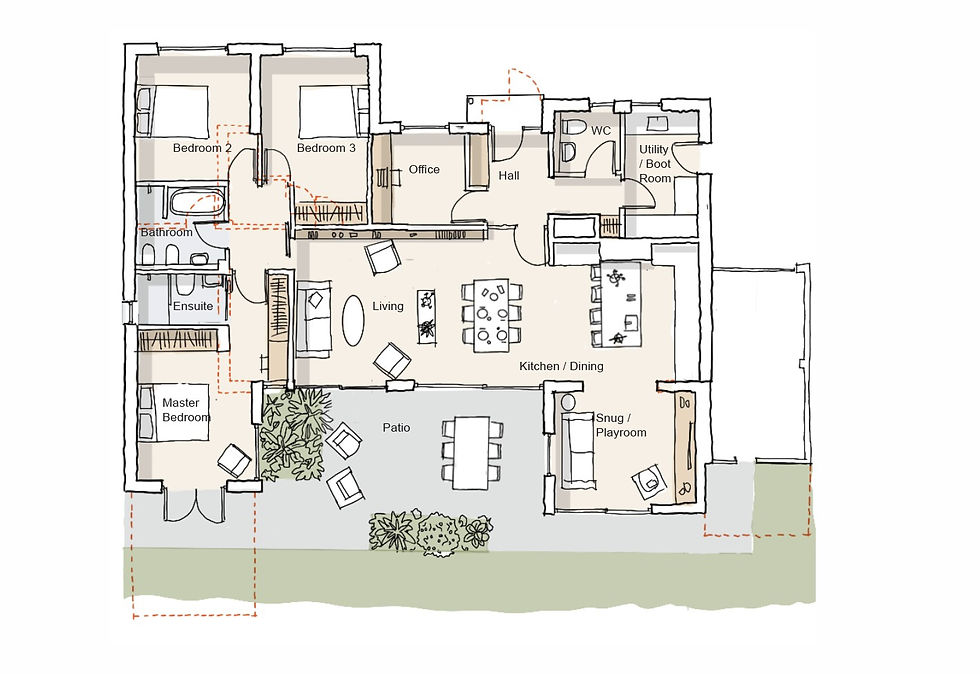
What is the 2.5 Metre Rule?
One of the most talked-about parts of the UK development guidelines is the 2.5 metre rule. This rule applies to single-storey rear extensions and is a key limit to keep in mind.
The 2.5 metre rule means that if your extension is within 2 metres of your boundary with a neighbour, it cannot be higher than 2.5 metres. This helps prevent your extension from overshadowing or dominating your neighbour’s garden.
If your extension is more than 2 metres from the boundary, you can build up to 3 metres high without needing planning permission. This rule is designed to protect neighbours while still giving you flexibility to improve your home.
Here’s a quick example:
You want to build a single-storey rear extension.
The extension will be 1.5 metres from your neighbour’s fence.
The maximum height you can build is 2.5 metres.
If you exceed this height or are too close to the boundary, you will need to apply for planning permission.
Common Projects Covered by Permitted Development Rights
Many typical home improvement projects fall under permitted development rights, making them easier to complete. Here are some common examples:
Single-storey rear extensions: Subject to size and height limits.
Loft conversions: Usually allowed if they don’t extend beyond the existing roof space.
Porches: Small porches up to 3 square metres are generally permitted.
Outbuildings: Sheds, garages, and summerhouses can be built if they meet size and height restrictions.
Solar panels: Installing solar panels on your roof is often allowed without permission.
Each project has specific rules, so it’s important to check the details before starting work. For example, outbuildings must not cover more than 50% of the garden area, and loft conversions must not increase the roof height.
When Do You Need Planning Permission?
While permitted development rights cover many projects, there are times when you will need to apply for planning permission. This usually happens if:
Your project exceeds the size or height limits.
You live in a conservation area, an Area of Outstanding Natural Beauty, or an area with Article 4 directions (which remove some permitted development rights).
You want to make significant changes to the external appearance of your home.
Your property is a listed building.
If you’re unsure, it’s always best to check with your local planning authority. They can provide guidance and help you avoid costly mistakes.
Tips for a Smooth Home Improvement Journey
To make your home extension or renovation as smooth as possible, here are some practical tips:
Check your rights early: Before you start, review the permitted development rules and local guidelines.
Talk to your neighbours: Keeping them informed can prevent disputes.
Hire professionals: Architects and builders familiar with local rules can help you design within the limits.
Keep records: Save all plans, permissions, and correspondence.
Consider future needs: Think about how your extension will work for you in the long term.
By following these steps, you can create a beautiful, functional space that adds value and joy to your home.
Making the Most of Your Home with Confidence
Understanding the UK development guidelines empowers you to make informed decisions about your home. Whether you’re planning a small extension or a larger renovation, knowing what you can do without planning permission saves time and stress.
If you want to create a personalised living space that reflects your style and meets your needs, start by exploring your permitted development rights. And when in doubt, seek advice from experts who know the local area and regulations well.
If you're interested in discovering what is possible with your home, don't hesitate to reach out. We will guide you through the process, ensuring your plans comply with all regulations, and help you create a space you’ll love for years to come.


Comments